WordPress vs. Next.js: Which is Right for Your Business in 2026?
Are you struggling to choose between the world's most popular CMS and the modern web's fastest framework? Discover the pros, cons, and exactly which platform your business needs to scale.
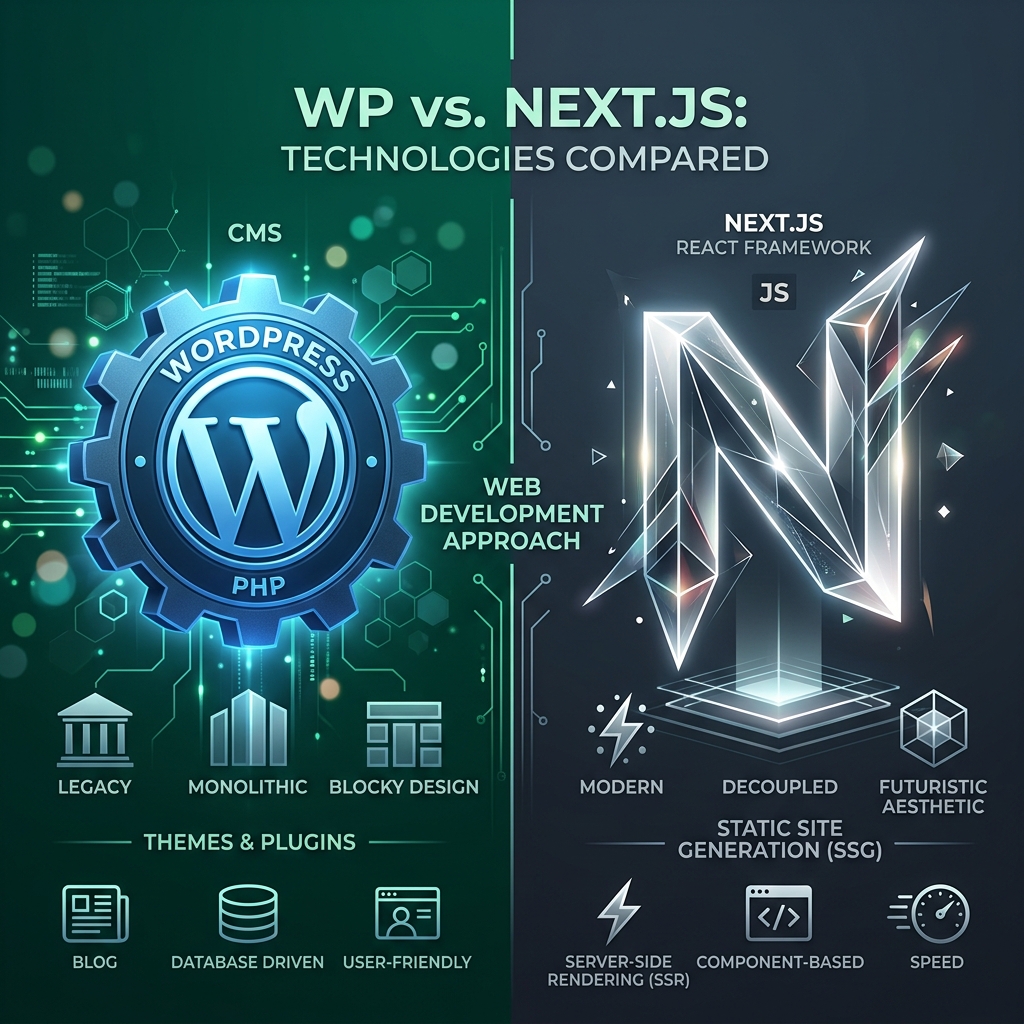
The Great Divide in Web Development
When it comes to building a website for your business, you are often faced with a fork in the road: do you go with the tried-and-true legacy approach of WordPress, or do you step into the future with a modern React framework like Next.js? The answer isn't a simple "one is better than the other," but rather "one is better for your specific needs." Let's break down the differences.
WordPress: The Legacy Monolith
WordPress powers over 40% of the internet. It is a monolithic system, meaning the backend (database and logic) and frontend (what the user sees) are tightly coupled.
- The Pros: It is incredibly user-friendly for non-technical bloggers, boasts a massive ecosystem of plugins (like WooCommerce and Yoast), and allows you to launch a site very quickly with pre-built themes.
- The Cons: Because it relies heavily on plugins, WordPress sites often suffer from severe performance bloat, leading to slow loading speeds. Furthermore, the monolithic architecture makes it a prime target for security vulnerabilities and hacking attempts if plugins aren't constantly updated.
Next.js: The Modern Speed Demon
Next.js is a React-based framework that has revolutionized web development by introducing Server-Side Rendering (SSR) and Static Site Generation (SSG). This is what enterprise companies use to build lightning-fast web applications.
- The Pros: Unparalleled performance. Next.js sites load almost instantly, which drastically improves SEO rankings and user retention. It provides a highly secure, decoupled architecture (headless) where your frontend is entirely separate from your database, making it nearly impossible to hack via traditional CMS vulnerabilities.
- The Cons: It requires professional developers to build and maintain. Unlike WordPress, you can't just buy a $50 theme and drag-and-drop your way to a custom web app.
The Verdict: Which Should You Choose?
If you are a solo blogger, a local mom-and-pop shop, or have a highly restricted budget where a slow-but-functional site is acceptable, WordPress remains a solid choice.
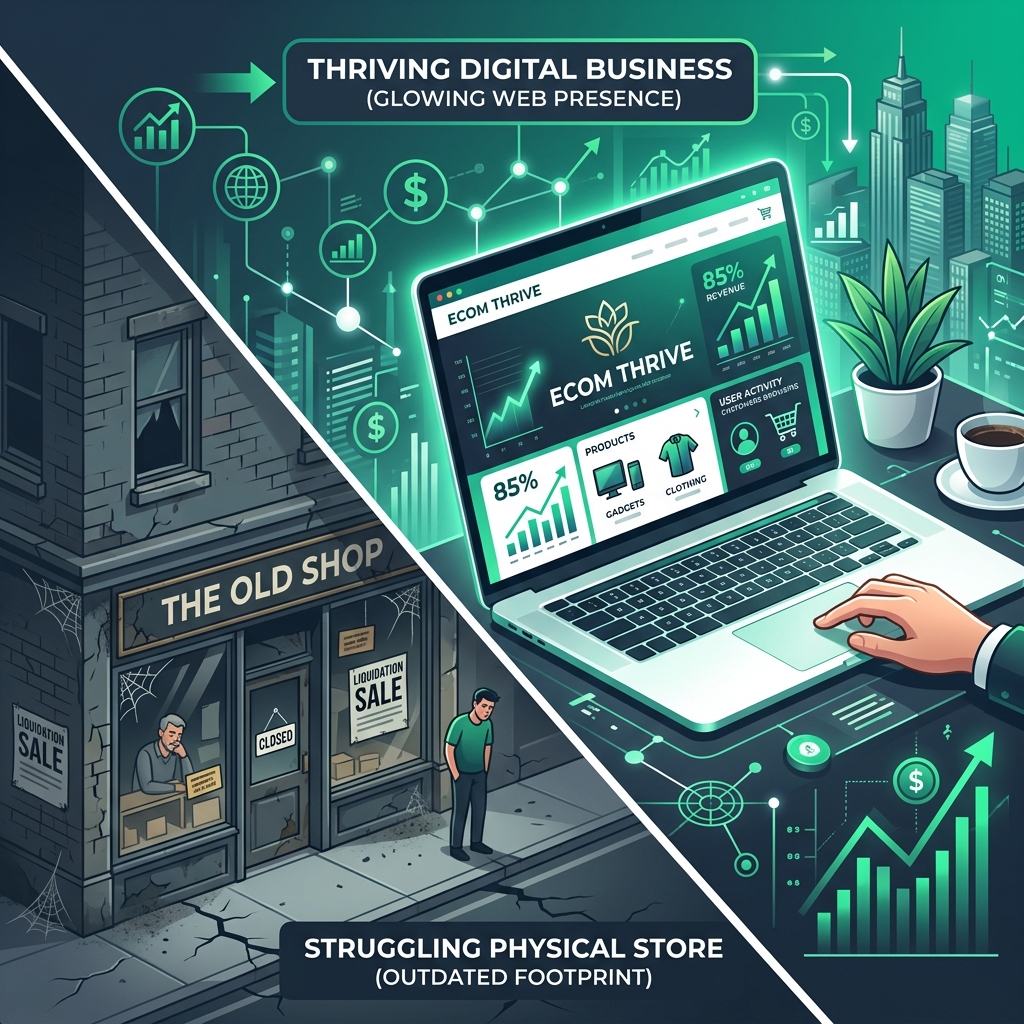
However, if you are an enterprise, a tech startup, an e-commerce brand looking to maximize conversion rates, or a business that views its digital presence as a primary growth engine, Next.js is the undisputed winner. The speed, security, and scalability simply cannot be matched by legacy PHP CMS platforms.
Need Help Choosing the Right Tech Stack?
Choosing the wrong technology can cost your business thousands in lost revenue and technical debt. At UVXYZ Labs, we help you navigate these choices.
Whether you need a lightning-fast Next.js web application or a robust CMS strategy, our team of experts is ready to suggest the best technology for your specific goals and handle the end-to-end development.
Keywords
WordPress, Next.js, React Framework, Web Development, Headless CMS, SEO Performance, Tech Stack Consulting, UVXYZ Labs.